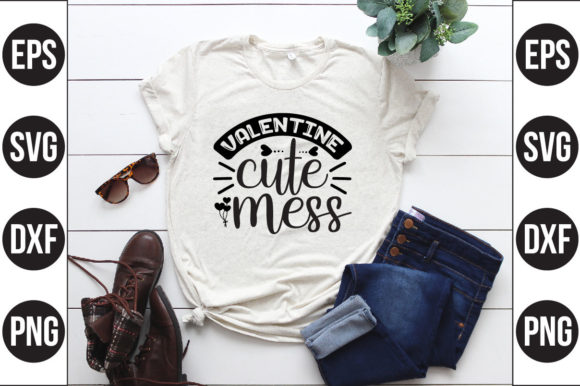
Reviewing Valentine Cute Mess for Embroidery
As a designer who has spent countless hours digitizing and stitching out files for clients, I have learned that not every cute graphic translates well to thread. When I first pulled up Valentine Cute Mess, my initial reaction was curiosity mixed with professional caution. The name suggests a playful, perhaps chaotic energy, which is exactly what modern Valentine’s Day decor needs. However, moving from a flat digital image to a textured, stitched reality requires a critical eye. This review breaks down how this design performs in real-world applications, helping you decide if it belongs in your next craft business lineup.
First Impressions and Visual Personality
The mood of Valentine Cute Mess is undeniably charming. It avoids the stiff, overly symmetrical look of traditional holiday graphics, opting instead for a hand-drawn aesthetic that feels organic and warm. For embroidery designers, this is a double-edged sword. Organic shapes often require careful attention to stitch direction to maintain their softness without looking messy. The layout appears balanced, with enough negative space to allow the fabric to breathe, which is crucial for preventing puckering on lighter materials.
When evaluating this as a piece of T-Shirt Designs or general Graphics, the visual personality stands out. It does not scream for attention with aggressive colors but invites a closer look. This subtlety makes it versatile. It fits naturally into boutique branding where the goal is understated elegance rather than loud novelty. For an Etsy seller, this kind of design appeals to customers looking for something unique that doesn’t feel mass-produced.
Real-World Application: The Tote Bag Test
To truly understand the viability of this file, I imagined applying it to a custom embroidered tote bag. Canvas is a forgiving fabric, but it has a distinct texture that can interfere with fine details. In this scenario, Valentine Cute Mess shines because its bold lines likely hold up well against the weave of cotton canvas. A tote bag is a high-visibility item; people carry them everywhere. A design that looks clean from three feet away but reveals delightful intricacy up close builds customer trust and perceived value.
If you are creating a handmade product for a spring craft fair, this design could easily anchor a collection. Imagine pairing it with pastel thread colors on a natural linen bag. The result is a personalized gift that feels thoughtful and curated. The key here is the stitch density. If the original graphic is too dense, it will make the bag stiff and uncomfortable to hold. Since this is a digital download including SVG, PNG, EPS, DXF, and JPEG files, you have the flexibility to adjust the scale before digitizing or printing, ensuring the final embroidery project remains functional.
Navigating Fabric and Hoop Constraints
Not every surface is created equal. While Valentine Cute Mess works beautifully on stable fabrics like denim or canvas, it requires caution on stretchy materials. If you plan to use this for sweatshirt embroidery or custom apparel made from jersey knits, you must use a high-quality cut-away stabilizer. Without it, the weight of the stitches could distort the garment over time, especially after washing.
For baby embroidery projects, such as onesies or burp cloths, consider the comfort factor. Babies have sensitive skin, so any satin stitch borders must be smooth and free of scratchy tails. If the design includes small, intricate elements, they might get lost on tiny garments. I recommend testing the design on scrap fabric first to see if the details remain clear at smaller sizes. If the design relies heavily on fill stitch areas, ensure they are not too dense, as this can cause the fabric to pucker or tear.
Curved surfaces like caps present another challenge. Embroidering on a structured cap requires precise hooping. If Valentine Cute Mess has wide horizontal elements, it might distort on the curved front panel of a hat. In such cases, scaling down the design or choosing a simpler version of the graphic might be necessary. Always check the hoop size compatibility with your machine before starting. A design that looks perfect in a 5x7 hoop might be cramped in a 4x4, leading to trimmed edges and a unprofessional finish.
Commercial Viability and Brand Consistency
For small shop owners and Etsy sellers, consistency is key. Valentine Cute Mess offers a cohesive look that can be adapted across various products. Whether you are creating embroidered patches, kitchen towels, or pillow covers, maintaining a consistent aesthetic helps build brand recognition. Customers who buy a tote bag with this design are more likely to return for a matching apron if the quality and style remain consistent.
The inclusion of multiple file formats in the zip package—SVG, PNG, EPS, DXF, and JPEG—adds significant value. While this review focuses on embroidery, having vector files like SVG and EPS allows you to create printable mockups or hybrid products. You can use the PNG for sublimation prints on mugs or t-shirts, expanding your product line without additional design costs. This versatility is crucial for digital product sellers who want to maximize their return on investment.
Practical Designer Notes
Before committing to a large production run, follow these practical steps:
- Test on Scrap Fabric: Always stitch out a test sample on the same type of fabric you intend to use for the final product. This reveals issues with tension, density, and color contrast.
- Check Thread Color Contrast: View the design in black and white to ensure the shapes are distinct. If elements blend together, adjust your thread choices or simplify the design.
- Review Stitch Density: High-density areas can cause puckering. If possible, reduce the density in your digitizing software or choose a lighter weight fabric that can handle the stitch count.
- Confirm Licensing: Since this is a digital embroidery file, verify the license terms. Ensure you are allowed to sell finished physical items made with this design. Most commercial licenses allow this, but restrictions on digital resale are common.
- Use Proper Stabilizer: Match your stabilizer to your fabric. Use tear-away for stable woven fabrics and cut-away for knits or stretchy materials.
Final Verdict
Valentine Cute Mess is a strong contender for your next holiday embroidery collection. Its playful yet refined aesthetic appeals to a broad audience, from parents buying baby gifts to young adults looking for trendy accessories. By paying attention to fabric choice, stabilizer selection, and stitch density, you can transform this digital asset into a high-quality finished product that enhances your brand’s reputation. Remember, the best designs are those that not only look good on screen but also stand up to the rigors of real-life use. With careful execution, this design can become a staple in your craft business inventory.